Planning a trip to Europe from the USA, UK, Australia, New Zealand, or Canada comes with a long list of things to sort. Accommodation, transport, and itineraries. Connectivity often gets left until last, then becomes urgent the moment you land and need directions from the airport.
Getting this one thing right before you leave makes the rest of the trip quieter.
Why connectivity matters more in Europe than people expect
Europe is not one place. It is dozens of countries, languages, currencies, and transport systems packed into a geography that rewards movement. A two-week trip might take you through four or five countries without much effort. That is where a single-country SIM starts to show its limits.
Gaps in coverage, border switches, and roaming charges add friction at exactly the moments you want things to be simple. A plan that works across the region removes most of that.
Check your phone before anything else
Two things need to be true before you buy any plan. Your phone needs to support eSIM, and it needs to be unlocked. Both are quick to check in your settings. Doing this at home, not at the departure gate, saves a lot of stress.
What to think about before choosing a plan
The right plan depends on how your trip is shaped.
- How many countries are you visiting?
- How long are you traveling?
- Will you need a hotspot for a laptop or tablet?
- Does your home number need to stay active for calls or authentication?
A four-day city break in one place needs something different from three weeks across eight countries. Knowing this upfront keeps you from overpaying or running out of data at the wrong moment.
What makes a Europe eSIM worth it
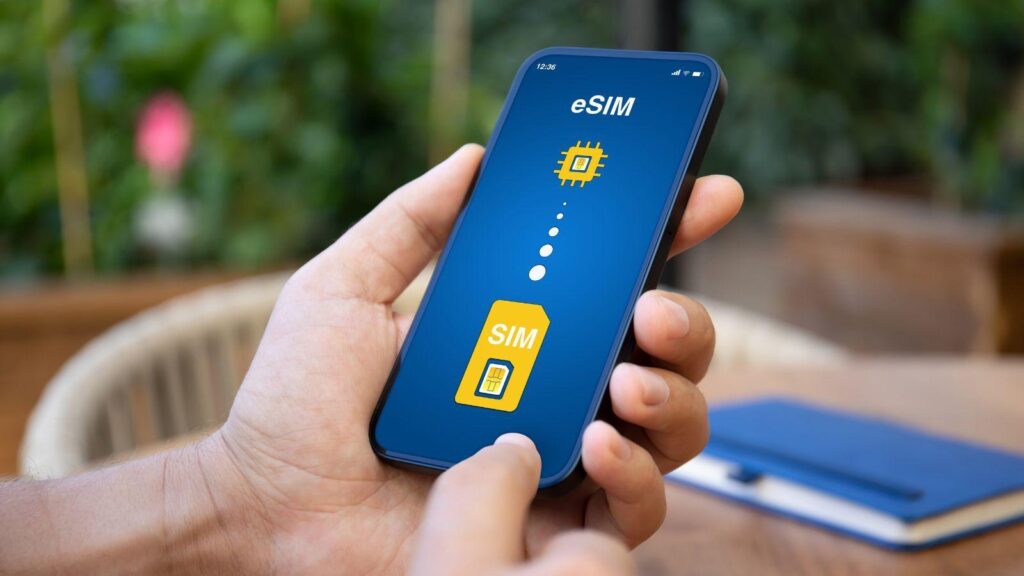
A Europe eSIM covers the region under one plan. You scan a QR code before you leave, the plan installs on your phone, and you land with data already running. No queues, no airport SIM counters, no starting fresh each time you cross a border.
An eSIM for Europe is especially useful for multi-country trips where you want the same coverage and speed whether you are in a train station in Paris or a side street in Lisbon. The setup takes minutes. The payoff runs the whole trip.
Other options and where they fall short
Home carrier roaming is convenient because it requires nothing from you upfront. The cost is the problem. Roaming across multiple European countries adds up quickly, and many plans slow your speed after a daily cap.
Local SIMs work for long stays in a single city but mean time at a counter when you are jet-lagged and still figuring out where you are. For shorter or multi-stop trips, the effort rarely matches the result.
Pocket WiFi is worth considering for families or groups sharing a connection. The downside is always the same: one device to charge, one device to lose, and if it dies, everyone goes offline together.
A short checklist before you fly
Small prep steps make a real difference on arrival day.
- Confirm your phone supports eSIM and is unlocked
- Install your plan and label it clearly in settings
- Download offline maps for your first destination
- Save hotel addresses and booking confirmations somewhere easy to find
- Screenshot key QR codes and keep them in one folder
- Pack a power bank for long travel days
Connectivity
Reliable internet is what keeps small problems from becoming big ones. It helps with live directions, translation, ride bookings, ticket apps, and quick changes when plans shift. If you want a smoother setup, a travel eSIM can be useful for staying online without hunting for WiFi.
If you are using Jetpac, you can expect:
- Works in 200+ destinations
- Instant QR code activation
- Prepaid 5G
- Multi-network switching
- Unlimited hotspot sharing
- Voice calls starting at USD 1.99 for 5 minutes
- 24/7 WhatsApp and email support